

Sweet Bonanza is a cluster-pay slot built around tumbling symbols, colourful presentation and a feature round that can produce large multipliers. For Canadian adults comparing games, the important questions are practical: how wins form, what changes during free spins, and which settings belong to the host casino rather than the game itself. An information page such as play sweet bonanza live may help with initial discovery, but the loaded game’s own rules remain the useful reference before any real-money session.
What creates a winning spin?
The original slot uses a six-by-five grid, giving each spin 30 visible positions. It does not rely on traditional fixed paylines. Instead, the Pay Anywhere system counts matching symbols across the grid, with at least eight identical paying symbols needed to create a qualifying combination. Their precise positions are less important than the total number appearing after the reels settle.
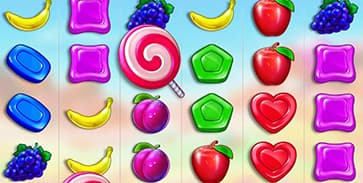
Symbols include familiar fruit such as bananas, grapes, watermelon, plums and apples, alongside higher-value sweets. Eight or nine matching symbols make the smallest listed combination, while 10 or 11 and then 12 or more can produce larger awards. Several different symbol groups may win on one result, and those wins are added before the game checks whether another tumble should occur.
The tumble mechanic is the central reason the game feels different from a conventional spin. Winning symbols disappear, the remaining symbols fall into the empty spaces and replacements arrive from above. If the new arrangement creates another qualifying group, the process repeats. A single paid spin can therefore contain several consecutive winning stages, although a tumble sequence ends when the latest grid produces no further win.
Why do the tumbles matter more than the theme?
The candy imagery is immediately noticeable, but it does not determine how the game works. The practical appeal comes from seeing one grid transform repeatedly rather than resetting after every individual win. This creates a clearer sense of progression within a spin: symbols vanish, new ones enter, and the possible result develops in stages.
That structure also affects how players should read the result. A large symbol group is not necessarily the end of the spin, because the removal of winning symbols may create space for another combination. Conversely, a colourful screen with several symbols does not guarantee a payout. Only the qualifying counts and the displayed paytable determine whether the arrangement wins.
The base game is therefore best suited to players who enjoy variable outcomes and an animated sequence rather than a simple, fixed-line format. It should not be judged solely by a short demonstration session. A brief sample can show the controls and tumble presentation, but it cannot establish long-term return, frequency of features or the likelihood of a particular result. Those are statistical properties, not impressions created by a handful of spins.
What changes when free spins begin?
The pink-and-white lollipop is the Scatter symbol, and it can appear anywhere on the grid. Four or more Scatters trigger the built-in Free Spins feature. In the documented original rules, four, five and six Scatters also provide a direct Scatter payout before the bonus round starts. The feature normally opens with 10 free spins.

During Free Spins, three or more additional Scatters award five extra spins. The more important change is the appearance of multiplier bombs, which are not part of the ordinary base game. Each bomb carries a random multiplier from 2x to 100x and remains visible until the current tumble sequence has finished.
At the end of that sequence, the bomb values collected during it are added together. The resulting multiplier is then applied to the tumble win. This timing matters: separate bombs in one sequence are combined, rather than applied as unrelated multipliers to individual symbols. It also explains why a bonus-round result can vary substantially from one feature session to another. The feature has a defined structure, but the symbols, bomb values and tumble patterns remain random.
Which settings deserve a closer look?
The loaded version’s information panel is more useful than a generic description because operators can enable different configurations. Published RTP figures for the original game have been listed around 96.48% to 96.51%, but the applicable setting can differ. Read the RTP shown inside the specific game window rather than assuming that every Canadian-facing version uses the same figure.
Stake ranges also vary by operator, account currency and configuration. Some versions begin around 0.20 units per spin, but that figure is not a universal rule. The game may also show optional controls such as Quick Spin or Autoplay. If Autoplay is available, review its stop conditions carefully; options may include stopping after a feature, a selected win, or a balance change.
An Ante Bet or Double Chance-style option can be offered in some versions. In the documented configuration, it raises the stake by 25% and doubles the chance of triggering Free Spins naturally by adding more Scatter symbols. It disables the Free Spins purchase option. Bonus Buy, where permitted, may cost 100 times the selected base bet. Neither option should be treated as a guarantee of a better result, and availability can depend on the operator and applicable rules.
How can you compare this slot with related releases?
Names in the same candy-themed family are not interchangeable. The original six-by-five version should be distinguished from later titles such as Sweet Bonanza 1000, Sweet Bonanza Super Scatter, Sweet Bonanza 2500, Sweet Bonanza Xmas and Sweet Bonanza POP. A similar visual style does not mean identical reels, features, RTP, stake range or maximum-win settings.
When comparing alternatives, begin with the exact title shown in the game information screen. Confirm the grid or winning system, the qualifying symbol count, the Scatter rules and whether multipliers appear in the base game or only during a feature. Then check the stated RTP and maximum-win figure for that loaded configuration. Published maximum potential for the original has been described at around 21,000x the stake, but figures can vary slightly between provider material and versions.
Finally, separate game features from casino arrangements. Promotional free spins, bonus wagering terms, account verification, payment methods and withdrawal conditions are created by the hosting operator. They are not universal rules of the slot. A sensible comparison therefore asks two different questions: does the game’s mechanic suit your preferences, and do the operator’s stated terms suit your circumstances? Keeping those questions separate prevents a game review from becoming an inaccurate casino review.
Frequently asked questions about the game
Does the slot use fixed paylines?
No. The original version uses a six-by-five grid and a Pay Anywhere system. A qualifying win generally requires at least eight matching symbols anywhere on the visible grid. The exact arrangement is less important than the number of identical symbols present after the reels settle and after each tumble.
Can the bonus round be purchased?
Some versions include Bonus Buy, but it is not universal. Where enabled, the documented price is 100 times the selected base bet, and the option may be restricted by the operator or local rules. The game information screen should confirm whether the feature is available before it is considered.
Is the mobile version a separate game?
Usually, the slot is delivered through an HTML5 casino website and scales to modern phones and tablets without requiring a separate game account. The same grid, tumble system and Free Spins rules generally apply. Any native mobile application belongs to the hosting operator, not to the slot itself.